
Yes, SMP can suit women with thinning hair, particularly when scalp show-through is the main concern. It creates the appearance of fuller hair by placing carefully matched pigment between existing hairs. It does not regrow hair or treat the cause, so I first want to understand the pattern and reason for the loss.
How can SMP help women with thinning hair?
When women contact me about a scalp tattoo for thinning hair, they are often bothered by visible scalp around the parting, crown or temples. Female pattern hair loss usually causes diffuse thinning while the frontal hairline remains relatively intact. That makes the aim different from creating a shaved-head appearance.
I use SMP to reduce the contrast between the scalp and the hair that remains. Tiny pigment deposits can create soft shadowing between natural hairs, making the area look visually fuller. The pigment is chosen to work with your current hair colour, whether your hair is blonde, white, brown or black.
This is camouflage, not a hair-growth treatment. SMP does not stimulate follicles, alter natural growth or prevent an underlying condition from progressing. It does not damage existing hair follicles. If you are considering a density treatment for thinning hair, the consultation is the right place to discuss how much scalp show-through you have and whether the visual effect is suitable.
Is a hair tattoo suitable for every type of female hair loss?
Not automatically. Before treating suspected female pattern hair loss, I recommend that the cause has been properly considered. Hair shedding can also follow illness, pregnancy, surgery or medication, and may relate to hormonal, metabolic, nutritional or other health factors. Blood tests or medical assessment may be appropriate to exclude a different condition with a different pattern.
If the loss is active, rapidly changing or unexplained, I would rather you speak with your GP or dermatologist before proceeding. SMP can conceal visible scalp, but it cannot diagnose, prevent or treat disease.
It may be considered for stable female pattern thinning, some forms of alopecia, chemotherapy-related loss and scalp scarring. Clients with alopecia or scar tissue need particularly careful planning because scarred skin can take pigment differently and may fade less predictably. My guide to alopecia and scar camouflage explains that type of work in more detail.
What happens during the consultation and treatment?
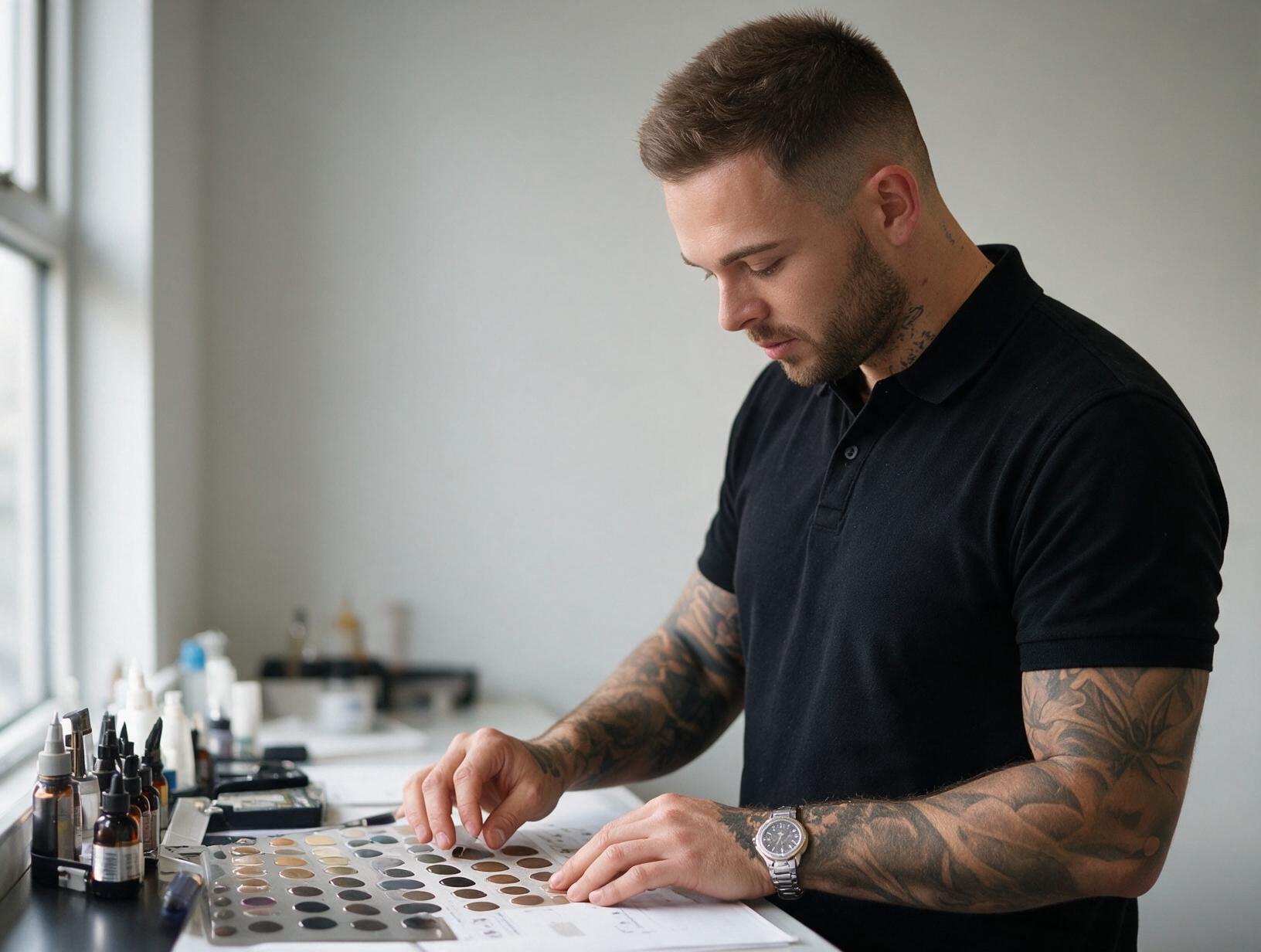
I begin by looking at the pattern of thinning, the condition of the scalp, your hair colour and how you normally style your hair. We discuss your expectations, including how much scalp you are comfortable still seeing. A realistic result is not a completely painted, solidly dense scalp. Some natural scalp visibility is expected, especially between existing hairs.
Before treatment, wash your hair and scalp as advised, and arrive with clean skin. I mark the areas to be treated and agree the design with you before pigment is placed. Pigment colour and density are adjusted to your hair and skin rather than applied as a standard template. We will discuss comfort before treatment.
Most people need more than one appointment because the first application should be conservative. I normally build tone and detail gradually, allowing the scalp to settle between sessions. The length of each appointment varies with the area and the amount of thinning. Colour can look stronger initially, then soften as healing takes place.
I also recommend discussing a small patch test in an inconspicuous area before full treatment, particularly if you have known allergies or a history of reactions. Tell me about all allergies, skin conditions and relevant medication before booking.
What will the result look like with hair left longer?
Women with diffuse thinning may not need to shave their heads for density-style SMP, which is assessed at consultation. The work is placed between existing hairs to reduce the light scalp showing through. Your everyday hairstyle still matters, so I consider your usual parting, how you wear your hair and whether the thinning is visible under different lighting.
Fine stubble or shorter hair can make blending easier in some areas, but the appropriate approach depends on what remains and where the pigment is needed. I will not promise that SMP makes thin hair look identical to naturally dense hair. The aim is a believable reduction in contrast, viewed at normal conversational distance.
When choosing an SMP practitioner, study healed examples rather than only fresh work. Pay close attention to hairline transitions, dot size, spacing and whether the pigment has remained soft. Even when a woman is not asking for a new hairline, poor edge work can make the whole result look artificial. Ask about SMP-specific training, body-art licensing, bloodborne pathogens certification, hygiene procedures and the pigments used.
What should I do after treatment?
After each session, follow the individual instructions you receive. As general information, keep the scalp dry and avoid washing, sweating, heavy exercise, hot showers, steam rooms and direct sun exposure for the advised early healing period. Do not pick at flaking or scabs. Colour lightening during healing is normal and is not a reason to panic.
Once the surface has settled, protect the scalp from ultraviolet exposure with broad-spectrum SPF as part of your long-term care. Moisturising may also be advised once the initial dry period has passed. Avoid swimming pools, saunas and steam rooms for the period your practitioner specifies, as soaking and heat can interfere with early settling.
SMP is intended as a long-lasting treatment, but it gradually fades. Pigment gradually softens through skin renewal, sun exposure and individual skin factors, so a future refresh may be needed. Timing varies, and scarred areas can require attention sooner. If you develop spreading redness, warmth, pus, drainage, severe pain, fever or unusual swelling, contact a healthcare provider promptly.
I provide SMP at Scalp Studio in Glasgow. You can also read the wider our scalp micropigmentation articles before arranging a consultation. If you are interested in our other locations, you can see them on the Scalp Studio Dubai page.
Book a consultation if you would like me to assess your pattern of thinning and discuss whether SMP is appropriate.
Frequently asked questions
Can SMP make thin hair look thicker without shaving it?
Yes, SMP can be placed between existing hairs to reduce the contrast created by visible scalp. This is often considered for diffuse thinning, partings and crown show-through. The hair does not need to be fully shaved, although your hairstyle, hair length and the amount of remaining hair affect how naturally the pigment blends.
Will SMP stop female hair loss from progressing?
No. SMP is a cosmetic camouflage treatment, not a medicine or hair-regrowth procedure. It does not change follicle activity or address hormonal, nutritional, inflammatory or other causes of shedding. If your loss is unexplained, sudden or continuing quickly, arrange appropriate medical assessment before considering cosmetic treatment.
Can women with blonde, white or grey hair have SMP?
Potentially, yes. Pigment is selected to reduce the visual contrast between your scalp and your current hair colour, rather than automatically using a very dark shade. Grey or white hair needs particularly careful colour planning. I assess your natural hair, skin tone, styling habits and the lighting in which you notice the thinning.
Is SMP suitable if I have scalp eczema or psoriasis?
Active eczema, psoriasis or scalp acne should be resolved or medically assessed before tattooing because skin inflammation can affect healing and the result. People with a personal history of keloids or spontaneous keloid scarring should also seek dermatology advice. Always disclose skin conditions and previous abnormal scarring during consultation.
Does SMP hurt when it is applied to a woman’s scalp?
Sensation varies with personal tolerance, scalp sensitivity and the area being treated. SMP uses fine needles and is generally described as manageable, but it is still a tattooing procedure. I discuss comfort beforehand and can use numbing medicine where appropriate. A consultation gives you the opportunity to explain any anxiety or previous experience.
How long does SMP for women usually last?
SMP gradually fades rather than washing away with shampoo. Longevity depends on factors including sun exposure, skin type, lifestyle, pigment placement and whether the area is scarred. Many results remain visible for several years, but a refresh is eventually needed. I assess the likely maintenance pattern rather than promise a fixed lifespan.
Can SMP be removed if I change my mind?
Laser removal can remove SMP, but removal is not something to treat casually. It may require multiple procedures and can be more complicated when pigment was placed too deeply, has spread or has changed colour. Choosing an experienced practitioner, reviewing healed work and agreeing a conservative design are important before treatment.