
A scalp hair tattoo, also called SMP, usually causes mild discomfort rather than significant pain. I use numbing medicine and fine needles, although sensitivity varies between people and areas such as the temples can feel sharper. Most clients describe scratching, tapping or pressure, with tenderness settling fairly quickly afterwards.
Why does a hair tattoo cause discomfort?
A hair tattoo is scalp micropigmentation, or SMP. I deposit very small amounts of cosmetic pigment into the upper layers of the scalp using a fine needle. This creates the appearance of closely shaved follicles, rather than drawing individual strands of hair.
Because the skin is being worked on, you can feel the procedure. The sensation is usually a light scratching feeling. It is generally less uncomfortable than a conventional body tattoo because the needles are finer and the discomfort does not last long.
That does not mean the experience feels identical for everyone. Pain tolerance, skin sensitivity, tiredness, stress and the area being treated all make a difference. The temples and hairline can feel more sensitive than the flatter areas of the scalp. Some clients barely notice the sensation after the first few minutes, while others prefer regular pauses.
I would rather give you a realistic description than promise that you will feel nothing. Mild discomfort is normal. Significant or worsening pain is not something you should simply tolerate, so tell me during the appointment if the sensation changes.
How do I make the session more comfortable?
Before starting, I discuss your comfort, examine the scalp and agree the areas to be treated. I mark the treatment zone and hairline so you can review the proposed shape before pigment is applied. For a shaved style, the hairline needs to suit your facial structure and age, not look like a rigid line placed with a template.
I apply numbing medicine before treatment. It needs time to work, and I can assess your comfort as the session progresses. I also work in sections, which gives you opportunities to speak up, stretch and take a short break.
There are sensible ways to prepare. Arrive rested, hydrated and with a clean scalp. Avoid alcohol for the day before and after the session, as it thins the blood. Avoid caffeine on the day if it makes you feel tense or more aware of discomfort. Do not stop prescribed medication without speaking to the clinician who prescribed it.
Tell me about allergies, skin conditions, medication and previous reactions to tattoo or cosmetic pigments. A professional consultation should also cover your expectations, because an SMP treatment is intended to create a natural visual effect, not a painted or unnaturally dense scalp.
What will the scalp feel like afterwards?
After a session, your scalp may feel warm, tender or slightly tight. Mild redness can occur and usually settles over the following days. The pigment can also look darker or stronger at first, then soften as the skin settles. That early change is expected and is not a reason to panic.
For the first four days, keep the scalp dry. That means no washing, shampoo, wetting, shaving or deliberate sweating on the treated area. Avoid heavy exercise, hot showers, steam rooms and other hot environments during this early period. You should also avoid direct sun exposure.
From around days five to ten, follow the washing instructions I give you and be gentle with the scalp. After that, normal grooming can usually resume according to the treatment plan. Do not pick at any flaking or scabbing. Long term, moisturising and using broad-spectrum SPF on the scalp help protect the appearance of the pigment.
These are general aftercare guidelines, not a medical diagnosis or a guarantee of healing. If you develop fever, pus or drainage, severe pain, marked redness or swelling, contact your healthcare provider. For any concern that is milder but outside what we discussed, contact the practitioner promptly.
How many sessions are involved?
Most people need two to three sessions rather than one long appointment, and I confirm the plan at consultation. The exact plan depends on the size of the area, the existing hair, the desired shaved look and how your skin responds. Sessions can take up to five hours depending on the size of the area, with healing time between appointments so I can assess the settled colour and pattern.
I normally begin conservatively, using a lighter shade and more open spacing. Later sessions can add depth and detail if the healed result needs it. This approach helps me avoid over-saturation and gives you a chance to assess the direction of the hairline and overall finish.
The complete healing process can take approximately 30 days. The scalp can look different during that period, and colour lightening is normal. A result that appears darker immediately after treatment is not the final healed appearance.
If you would like to understand the design decisions involved, my guide to SMP for hairline restoration explains how a hairline can be planned around your features.
How can I reduce the risks of a hair tattoo?
Comfort matters, but the quality and safety of the work matter just as much. Choose a licensed, experienced SMP practitioner and review healed examples, particularly hairline work. Fresh photographs can hide how pigment has settled, softened or spread.
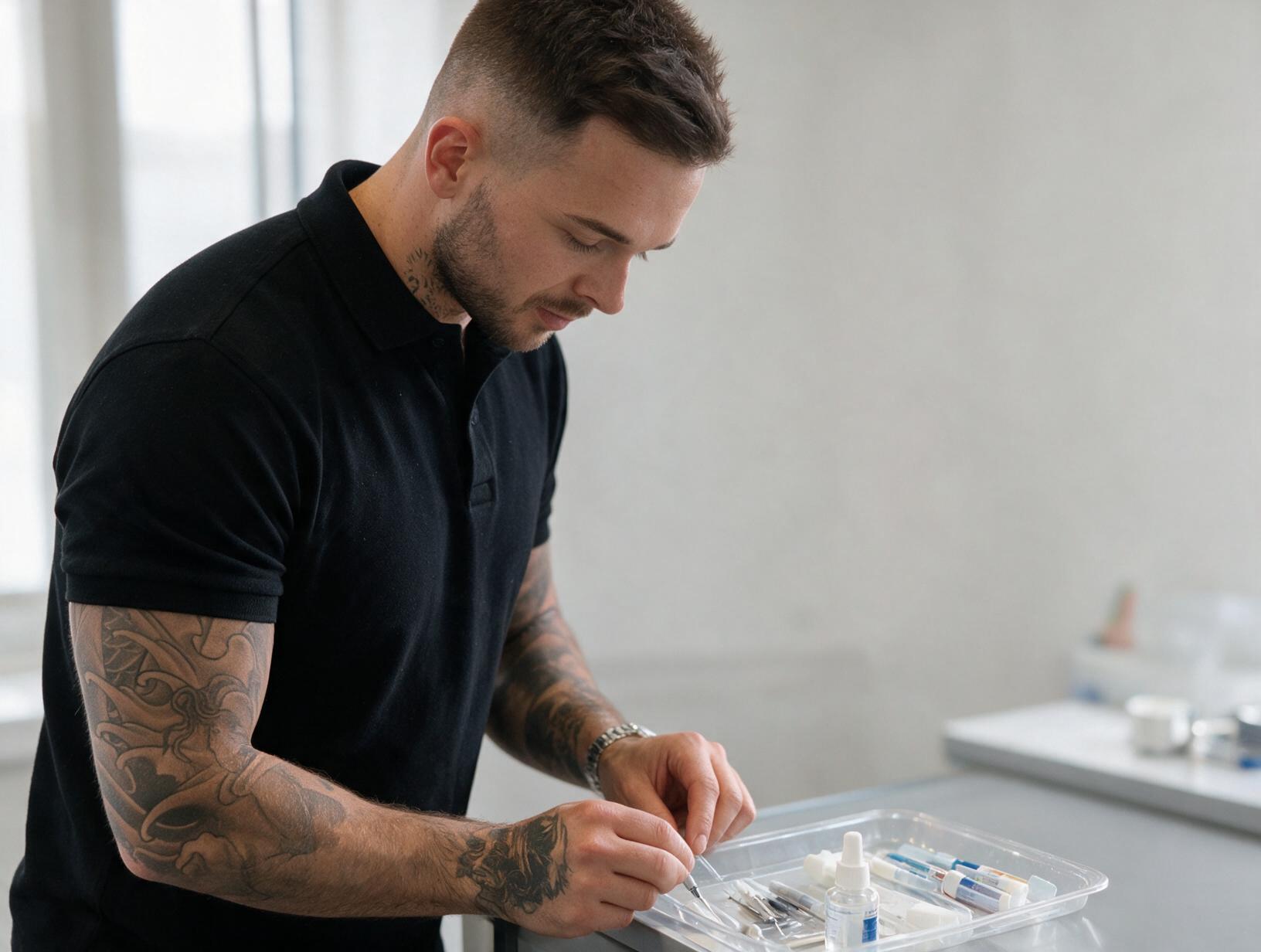
Before booking, ask about SMP-specific training, body art licensing, bloodborne pathogens certification, health permits and hygiene procedures. Needles should be packaged and opened in front of you, with gloves, barrier protection and a clean sterile studio.
A patch test may be considered where appropriate, and you should disclose every known allergy. SMP is not suitable for everyone. Active scalp acne, eczema or psoriasis flares need to settle first, while people prone to keloid scarring should discuss the risks with a dermatologist before proceeding.
SMP does not grow hair or change the underlying cause of hair loss. It is camouflage. The pigment gradually fades over time and may need a touch-up, although some pigment remains in the skin. Laser removal is possible, but removal can be more complicated when the original application was not done correctly.
Scalp Studio is based in Glasgow, Scotland, and I offer scalp micropigmentation in a natural shaved style. You can also read about what sets a hair tattoo apart from body ink before deciding whether the treatment suits you.
If you are considering treatment, you are welcome to book a consultation and discuss comfort, design and suitability without pressure.
Frequently asked questions
Is a scalp hair tattoo more painful on a bald scalp?
Not necessarily. A bald scalp can feel sensitive because there is less hair to distract from the sensation, but discomfort still varies by person and treatment area. The temples and hairline may feel sharper than the top or back. Numbing medicine and short breaks can make the appointment easier to manage.
Can I take painkillers before SMP?
Ask the practitioner about any over-the-counter medicine before your appointment, and do not stop prescribed medication without medical advice. Avoid aspirin or blood-thinning medicines unless your prescriber tells you otherwise. Alcohol should be avoided before treatment, and caffeine can be worth avoiding if it increases your tension.
Will SMP hurt during every session?
The sensation can vary between sessions because the scalp may respond differently as treatment builds. Later appointments are not automatically more painful. Your practitioner should check your comfort throughout, work at a controlled pace and pause if needed. Tell them promptly if the sensation becomes unusually sharp or intense.
Can I wear a hat after a scalp hair tattoo?
Ask your practitioner before covering the treated scalp, because friction, pressure and trapped heat may not be suitable immediately after treatment. If a covering is permitted, it should be clean and loose. Avoid using a hat as a substitute for keeping the scalp dry and protected from direct sun during early aftercare.
Does shaving make SMP more uncomfortable?
Shaving itself should not be painful once the scalp has settled, but you should follow the practitioner’s instructions about when to resume it. Early shaving can irritate freshly treated skin and interfere with healing. Once healed, keeping remaining hair at a fine stubble length can help it blend with the follicle impressions.
What if I feel very nervous about the appointment?
Tell the practitioner before treatment rather than trying to hide it. A thorough consultation, clear hairline agreement, explanation of each stage and planned breaks can make the experience more manageable. You should never feel rushed into proceeding. It is reasonable to postpone while you ask further questions or consider your options.