
Why does hair length matter with SMP?
When I assess scalp micropigmentation, I look at how the pigment will sit visually beside your natural hair. SMP creates the appearance of hair follicles with tiny pigment dots. It does not grow hair or change the way your follicles work, so the natural hair around those dots needs to be considered carefully.
If your remaining hair is longer, it can cast shadows and create a different contrast between the hair and scalp. It may also make the pigment less visible in some areas and more noticeable in others. Keeping the natural hair very short usually makes the relationship between the real hair and the treatment easier to control.
This is why I discuss your usual grooming routine, your hair-loss pattern and the appearance you want to maintain. SMP should fit the haircut you are realistically prepared to keep, rather than a style that only looks right on the day of treatment.
You can read more about the treatment itself in my guide to scalp micropigmentation and SMP.
Is fine stubble the best SMP shaved head grade?
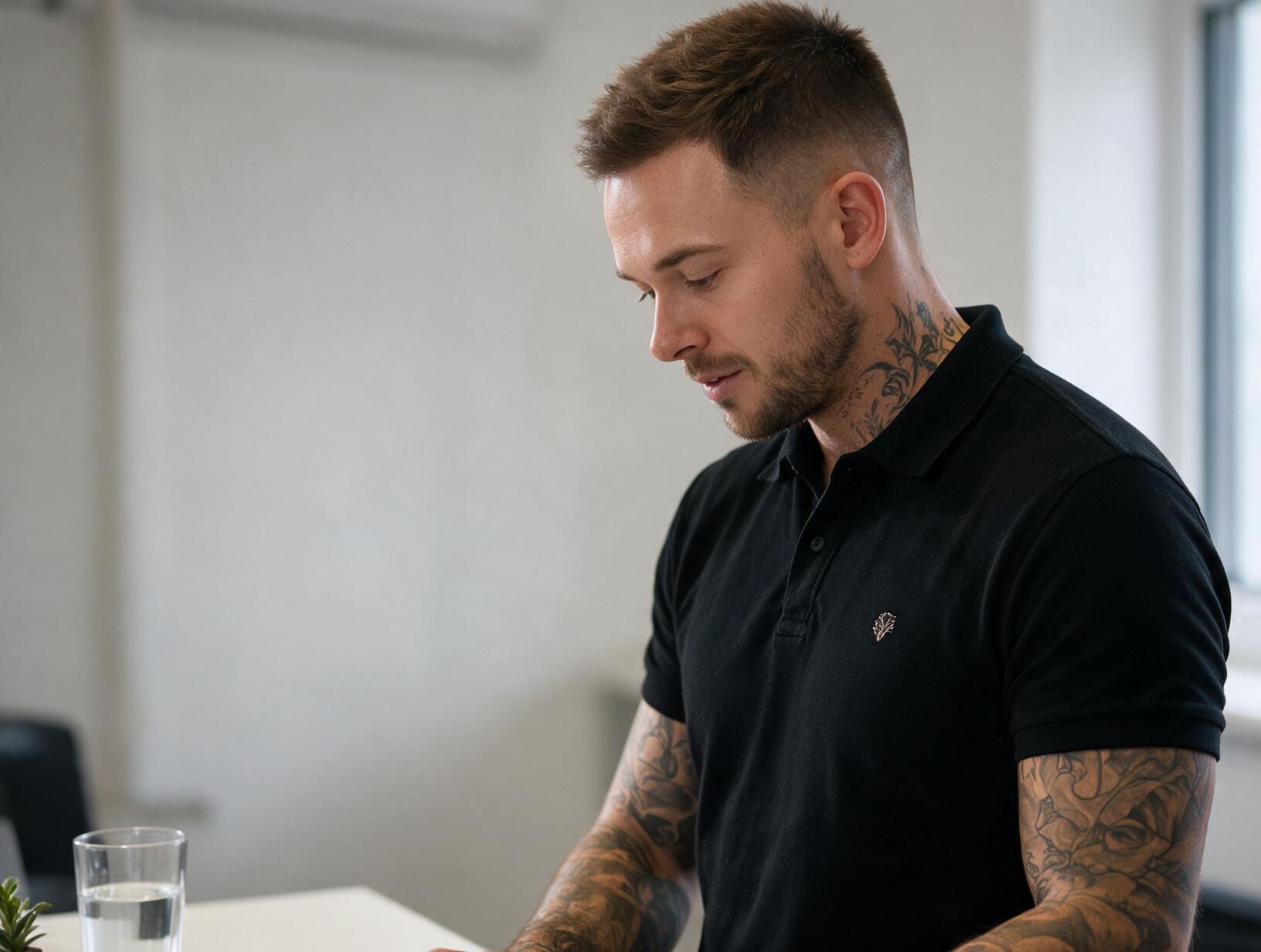
Fine stubble is often a good option when you still have hair across the treated area. In practical terms, this usually means using clippers or a trimmer every few days to keep the hair close to the scalp. The short natural hair can blend with the pigment and create the look of a closely cropped head.
A fine stubble finish can work well where the hair loss is more diffuse, or where there is still useful coverage across the crown and sides. It may also be suitable if you want some visible hair rather than a completely smooth, freshly shaved appearance.
The exact clipper setting is not universal. A number one grade may suit one person, while another may need a shorter setting because of the contrast between their hair colour, skin tone and pigment colour. I would rather assess the scalp than prescribe one grade for everyone.
It is also worth thinking about maintenance. If your hair grows quickly, you may need to trim regularly to keep the natural hair and SMP looking consistent. A longer growth period can make the natural hair look heavier than the follicle effect beneath it.
What grade should you shave with SMP?
If you want a clipped style, I normally advise discussing a very short clipper grade at consultation. The aim is not simply to choose the lowest number. It is to find a length that allows the real follicles, remaining hair and pigment dots to read as one consistent look.
For more advanced hair loss, a fully shaved appearance may be more suitable. This can involve a razor, rotary shaver or foil shaver, depending on your skin and grooming preference. A clean shave removes the visual difference between longer natural hair and treated areas, which can make the result look more even.
A smooth shave does require regular upkeep. You may need to shave frequently if you want to retain that finish, and you must follow aftercare instructions before shaving the treated scalp after a session. During the initial healing period, do not wash, wet, shave or excessively sweat on the scalp for the period your practitioner gives you. At Scalp Studio, I advise avoiding these activities for four days after each session.
Once the scalp is healed, your normal grooming routine can resume. After the final treatment, avoid swimming, saunas and steam rooms for 28 days, and protect the scalp from the sun during that period. Long term, SPF 30 to 50 and regular moisturising help protect the appearance of the pigment.
Can SMP work with hair that is not shaved?
Scalp micropigmentation can be applied between existing hair, but that does not mean a longer haircut is always the best choice. The treatment is intended to reduce the contrast between scalp and hair. If longer hair separates the treated areas from the visible scalp, the blending effect may be less predictable.
For men with thinning or pattern baldness, the most natural-looking result is often achieved with a short, consistent haircut. I can discuss options for the hairline, crown and other areas during a consultation. If your concern is pattern baldness or thinning, my page on SMP for pattern baldness and thinning explains how the approach can be tailored to the pattern you have.
There is no benefit in shaving your head permanently if that is not how you want to look. The important point is choosing a length that you can maintain and that keeps the pigment in proportion with your natural hair.
How should you prepare for your chosen length?
Before an appointment, wash your hair and scalp so the treatment area is clean. I also recommend stopping topical hair products, whether medicated or non-medicated, during the week before treatment unless a healthcare professional has told you otherwise. Avoid alcohol for 24 hours before treatment, and arrive rested and hydrated.
At consultation, I assess your scalp, hair colour, hair-loss pattern and expectations. For a fully shaved appearance, we agree a hairline that suits your facial structure and age. I then match the pigment to the colour of your current hair and plan the treatment areas. Some visible scalp is a normal part of the result. SMP should not look like a solid layer of paint.
Before booking, check that your practitioner has SMP-specific training, a body art practitioner licence and bloodborne pathogens certification. You should also be able to see relevant examples of their work, with particular attention to hairlines and healed results. A clean, sterile studio, packaged needles opened in front of you and appropriate barrier protection are important safety details.
Tell me about allergies, active scalp conditions and any history of keloid scarring before treatment. Active acne, eczema or psoriasis flare-ups may need to settle first, and anyone prone to keloids should discuss the risks with an appropriate healthcare professional before considering SMP.
What happens if your preferred length changes later?
Your choice of haircut is not necessarily fixed forever, but a major change in length can alter the way the treatment looks. Moving from fine stubble to a completely shaved style may make the pigment more prominent. Growing the hair longer may increase shadowing or show differences between treated and untreated areas.
That is why I plan SMP around your likely long-term grooming habits rather than a temporary haircut. Pigment gradually fades over time and may need a touch-up, but it does not simply wash out with shampoo. A change in style should be considered before treatment, particularly if you are unsure whether you want a clipped or fully shaved look.
Scalp Studio is based in Glasgow, Scotland, and I use consultation time to help clients choose a practical length for their lifestyle. There is no pressure to decide before we have examined the scalp and discussed the finish you want.
If you would like to talk through your preferred haircut and whether SMP is suitable, you can book a consultation with me.
Frequently asked questions
Can I keep a number two haircut after SMP?
You may be able to keep a number two style, but suitability depends on your natural hair density, colour and the areas being treated. Longer stubble can create more contrast than a very close trim. I would assess photographs or your scalp in person before recommending a specific clipper grade.
Should I shave before my SMP consultation?
You do not usually need to arrive with a completely shaved scalp for a consultation. Seeing your usual hair length can help me understand how you groom and where the hair-loss pattern sits. If a shorter length would make assessment easier, I can explain how to prepare before treatment.
Can I use a razor after scalp micropigmentation?
Do not shave the treated area immediately after a session. The scalp needs time to settle, and wetting, rubbing or shaving too soon can interfere with aftercare. Follow the specific timetable provided by your practitioner. Once fully healed, a razor or foil shaver may suit a smooth finish.
Does SMP look different with dark hair?
The pigment is selected to work with your current hair colour, but the final appearance also depends on skin tone, natural contrast and hair length. Darker hair can make changes in stubble length more noticeable. A consultation should cover colour matching and the grooming routine needed to maintain a balanced result.
Can I change from a shaved style to longer hair later?
You can grow your hair longer, but the visual balance may change. Longer hair can create shadows and a different contrast between treated and untreated areas. If you are considering a major change, discuss it before treatment so the hairline, pigment placement and expectations are planned with that possibility in mind.
How soon can I trim my hair after SMP?
Avoid shaving, washing, wetting and excessive sweating on the treated scalp during the early aftercare period. Your practitioner should tell you when gentle grooming can resume. Do not pick or disturb any flaking. Healing continues after the surface looks calmer, so follow the full aftercare guidance rather than relying only on appearance.