
Is SMP a real tattoo?
Yes. One of the most common scalp micropigmentation myths is that SMP is not tattooing. It is a form of cosmetic tattooing, but it is designed specifically for the scalp and uses specialised pigment, equipment and placement.
Traditional body tattoos are often designed for bolder saturation, while SMP uses very small impressions in the upper layers of the scalp. With SMP, I deposit very small impressions in the upper layers of the scalp. The aim is to create the visual suggestion of a follicle or shadow, not a solid block of colour.
That difference matters. A good result depends on dot size, spacing, pigment colour, depth and the design of the hairline. Pigment that is placed too deeply can spread and look blurred. Pigment that is placed too shallowly may fade quickly.
SMP is also not the same as scalp microblading. Hair-like lines that may look suitable on an eyebrow are generally not appropriate for the scalp. Scalp skin and hair patterns are different, so SMP uses carefully placed dots rather than long drawn strokes.
Does SMP grow hair or stop hair loss?
No. SMP is a camouflage treatment, not a hair-growth treatment. It does not restart dormant follicles, alter your hair cycle or prevent future balding. It reduces the contrast between the scalp and the hair that remains, which can make thinning look less prominent.
I explain this distinction clearly during consultation because it affects expectations. If you have existing hair, pigment can sometimes be placed between it to reduce scalp show-through. If hair loss is more advanced, a closely cropped or shaved style may allow the pigment and natural hair to blend more consistently.
For a fuller explanation of what this means for male pattern loss, you can read my guide to SMP for pattern baldness and thinning.
SMP may also be considered for certain forms of alopecia, transplant scarring and other stable scalp scars. However, unexplained or rapidly changing hair loss should be investigated by an appropriate healthcare professional before it is concealed cosmetically. In suspected female pattern hair loss, other medical, metabolic and hormonal causes may need to be excluded.
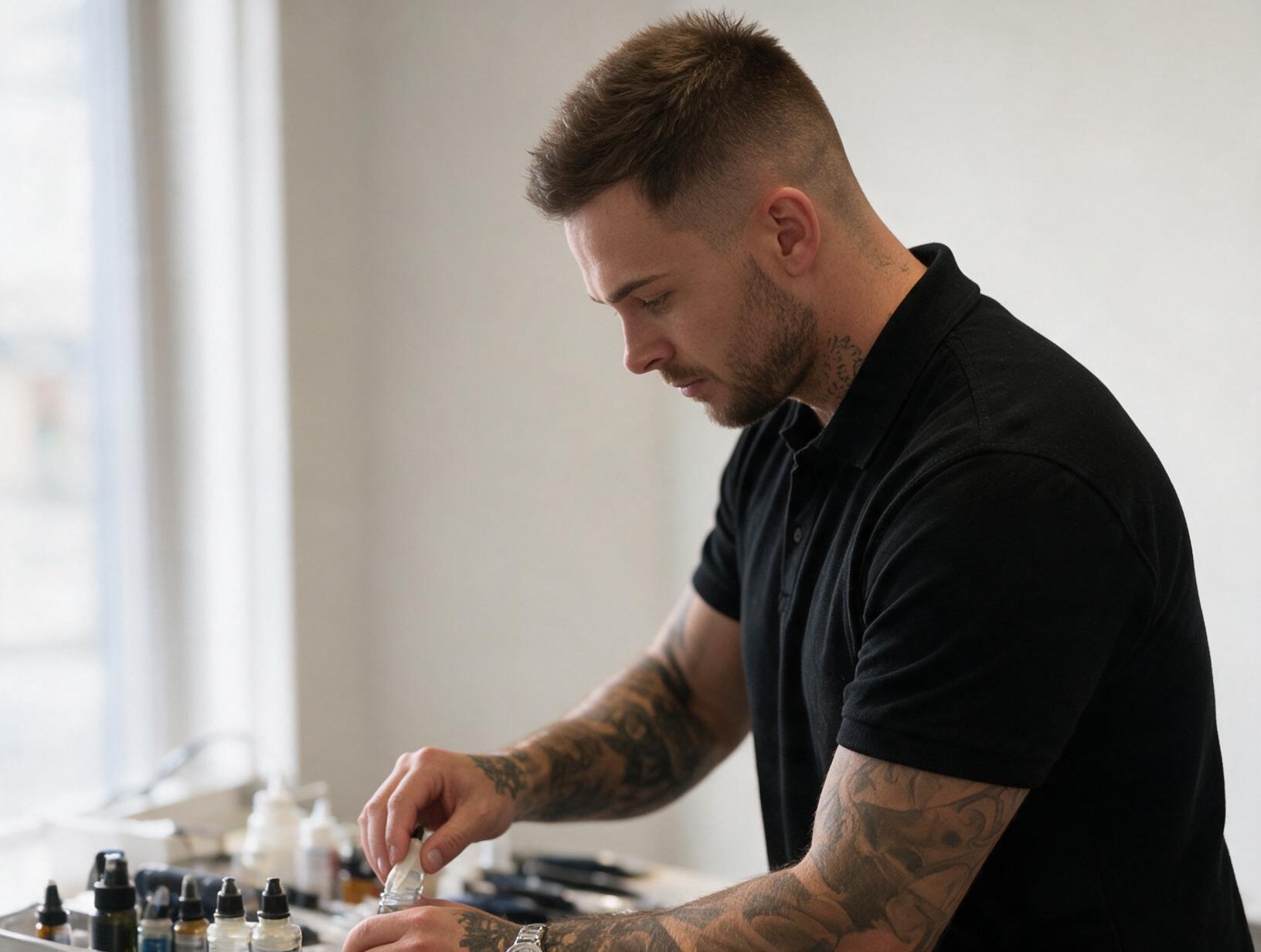
Will SMP look like a painted or solid scalp?
It should not. Another persistent myth is that SMP creates a completely painted, dense scalp. The natural result is usually more subtle. Some scalp showing through the hair is normal, particularly when the hair is longer or thinning is advanced.
The hairline is especially important. I assess the person’s facial structure, age and remaining hair before agreeing its position and shape. A hard, perfectly straight line can look artificial, while a softer transition can be less noticeable. When comparing practitioners, I recommend paying close attention to their hairline work, not just the overall photographs.
Pigment is matched to your current hair or follicle colour, rather than simply choosing the darkest possible shade. I plan the result carefully so it can be assessed as the skin heals. A professional should discuss what the treatment can and cannot visually achieve before any work begins.
At Scalp Studio in Glasgow, I offer SMP for shaved styles, male density, alopecia, scars, repair and hair tattoo requirements. The correct approach depends on your hair pattern, scalp condition, skin and preferred grooming style.
Is SMP permanent, and does it wash away?
SMP is intended to be long-lasting, but it is not immune to change. Pigment gradually softens and fades through natural skin renewal, immune-system activity, ageing and ultraviolet exposure. Shampoo does not simply wash it away, though the appearance will alter over time.
How long it remains strong varies between people. Sun exposure, skin type, lifestyle and the nature of the treated area all play a part. Scarring alopecia, for example, can behave differently from uncomplicated pattern baldness. A touch-up may eventually be appropriate when the colour has softened or the contrast has increased.
Long-term care includes protecting the scalp from strong sun and using suitable sunscreen once the area has healed. I also advise following the aftercare instructions given for your own treatment, rather than judging the final colour during the first few days.
It is possible to remove SMP with laser treatment, but removal can be more complicated when the original pigment was placed incorrectly or has spread. That is one reason to choose an experienced SMP practitioner and avoid treating the decision as easily reversible.
Is SMP safe for everyone?
Like any tattoo-based procedure, SMP carries risks including infection, allergic reaction, unwanted colour change, scarring and pigment migration. These risks can be reduced by choosing a licensed and experienced provider, checking healed examples of their work and disclosing allergies and relevant health information.
Before booking, ask whether the practitioner has dedicated SMP training, a body art practitioner licence and bloodborne pathogens certification. You should also be able to see a clean studio, appropriate barrier protection and sterile, packaged needles opened for your treatment.
Active scalp irritation, eczema, psoriasis or acne should be discussed before treatment. People who form keloids or spontaneous raised scars may not be suitable and should seek appropriate professional advice first. A patch test may also be discussed where there is concern about pigment sensitivity.
Before a session, I ask clients to arrive with a clean scalp and to follow preparation instructions about hair products, alcohol and grooming. After treatment, general guidance includes keeping the scalp dry, avoiding sweating, hot showers, steam rooms and strenuous exercise for the advised period, and avoiding sun exposure while the skin settles. This is general editorial information, not medical advice. Contact a healthcare provider if you develop fever, pus, severe pain, marked warmth or worsening swelling.
How can I separate SMP facts from marketing claims?
Start with a consultation rather than relying on a dramatic photograph or a fixed promise. A responsible practitioner should examine your scalp, discuss your hair loss pattern, explain the likely visual effect and tell you when treatment may not be appropriate.
Ask to see healed work, especially hairlines, density work and cases similar to yours. Fresh results can look darker and sharper than healed results, so photographs taken after the skin has settled are more useful. You should also understand the pigment and technique being used, the likely maintenance and the aftercare requirements.
You can read more about treatment safety in my guide to whether scalp micropigmentation is safe. If you are considering treatment elsewhere, my Dubai SMP services page covers that location separately.
My aim is to give you a realistic view, including the limits. SMP can create convincing follicle shadow and reduce visible contrast, but it cannot create living hair, guarantee a particular density or remove the need to care for your scalp. If you would like to discuss whether it suits your pattern of hair loss, you can book a consultation.
Frequently asked questions
Can people tell that SMP is not real hair?
They may be able to tell if the hairline is too low, too straight, too dark or poorly blended. Well-planned SMP is intended to resemble follicle shadow rather than strands of hair. The result is most convincing when pigment colour, dot spacing, hair length and hairline design work together.
Does SMP hurt as much as a normal tattoo?
Discomfort varies with your sensitivity, scalp condition and the area being treated. SMP is generally described as manageable, and I will explain beforehand how comfort is managed. Your practitioner should explain what to expect beforehand and should not continue without discussing significant discomfort during the appointment.
Can SMP damage existing hair follicles?
SMP is designed to place pigment in the upper layers of the scalp and does not alter the natural hair-growth cycle. It should not damage healthy follicles when performed correctly. The practitioner still needs to assess your scalp, use appropriate depth and avoid treating active irritation or unstable skin.
Can I keep my hair long after SMP?
That depends on the extent and pattern of your hair loss. SMP can be placed between existing hair to reduce scalp show-through, but longer hair may still reveal areas of thinning. Some clients achieve the most consistent blend with fine stubble, while advanced loss may suit a fully shaved style.
Can I have SMP over a transplant scar?
SMP may camouflage some healed, stable transplant scars, including suitable donor-area scarring. The scar must be fully healed and free from active irritation before assessment. Results depend on scar texture, colour, hair pattern and the surrounding skin, so a consultation is needed rather than assuming every scar can be treated.
What happens if SMP fades unevenly?
Uneven fading should be assessed after the skin has fully settled, rather than corrected while early healing is still changing the colour. A practitioner may recommend a carefully planned touch-up, but blurred or over-saturated pigment may require a different approach. Do not add pigment elsewhere without an in-person assessment.